The following is an excerpt from “The Epistle of Mathetes to Diognetus,” an anonymous letter (mathetes [μαθητής in Greek] simply meaning “disciple”) believed to be dated around the 2nd century. Here, “Mathetes” gives us a positive description of Christians (as opposed to the more common descriptions of Christians at this time–confused and/or condescending) from his 2nd-century-perspective.
For the Christians are distinguished from other men neither by country, nor language, nor the customs which they observe. For they neither inhabit cities of their own, nor employ a peculiar form of speech, nor lead a life which is marked out by any singularity. The course of conduct which they follow has not been devised by any speculation or deliberation of inquisitive men; nor do they, like some, proclaim themselves the advocates of any merely human doctrines. But, inhabiting Greek as well as barbarian cities, according as the lot of each of them has determined, and following the customs of the natives in respect to clothing, food, and the rest of their ordinary conduct, they display to us their wonderful and confessedly striking method of life. Continue reading
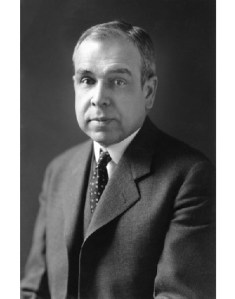 This is a paper I wrote my Junior year, spring semester of 2011, at Maranatha Baptist Bible College for a class entitled “Fundamentalism.” This is a narrowly focused biography of one of my heroes, J. Gresham Machen, specifically on how his actions made him a leader in the separatist movements during his day.
