The following comes from a paper presented for Dr. Scott Manetsch at Trinity Evangelical Divinity School for the course Classic Texts in the History of Christianity CH 8100.
* * * * *
In The Bondage of the Will Martin Luther sets out to investigate what ability human freedom possesses and how it relates to God’s grace (II.iii.). For Luther, this theological dispute over human freedom is of utmost importance. He claims it is the fundamental disagreement between himself and the Catholic tradition (II.iii.; VIII.). Because this topic strikes at the heart of soteriology, truths of “eternal consequence” are at stake (II.vi.). To know nothing of these matters is to know nothing of Christianity (II.iii.); the entirety of the Christian faith and the gospel would be ruined by such ignorance (II.v.).
Responding to Desiderius Erasmus’ Discourse on Free Will, Luther asserts that man has no “free-will.” Contrary to Erasmus (IV.i.), men are not autonomous in regards to meriting or even willing salvation (II.x.), but are enslaved, “ever turned in the direction of their own desires, so that they cannot but seek their own” (V.iv.). God’s will is carried out necessarily; no room is left for man’s so called “free-will” (V.vii.).
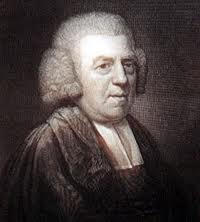 I ran across this hymn a few weeks ago, although I have been acquainted with it before. I decided it was definitely worth sharing. This hymn is certainly not as popular as John Newton’s famous hymn, “Amazing Grace,” but I certainly recommend reading through the words and meditating on their truth. From a man who understood grace extremely well in light of who he was as a depraved, wicked, detestable man in need of saving, “In Evil Long I Took Delight”:
 The following are my favorite quotes from the book
