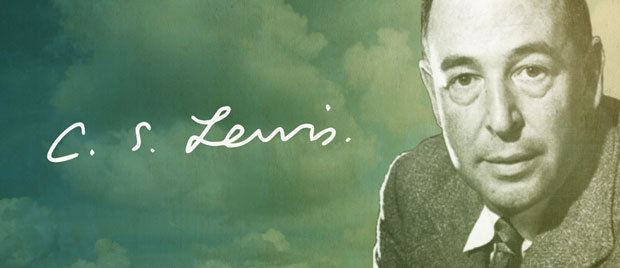
Throughout Mere Christianity, C.S. Lewis makes a handful of comments on Christians and social engagement, with particular reference to political matters at times. In this post, I’d like to draw attention to a few of these.
First, without condoning any sort of complacency with regards to political involvement, Lewis admonishes us to keep things in perspective. Is politics the answer to the dilemma which humanity faces?
I do not mean for a moment that we ought not to think, and think hard, about improvements in our social and economic system. What I do mean is that all that thinking will be mere moonshine unless we realise that nothing but the courage and unselfishness of individuals is ever going to make any system work properly. It is easy enough to remove the particular kinds of graft or bullying that go on under the present system: but as long as men are twisters or bullies they will find some new way of carrying on the old game under the new system. You cannot make men good by law: and without good men you cannot have a good society. That is why we must go on to think of the second thing: of morality inside the individual.[1]
Second–and I rather enjoyed this section—Lewis talks about the role of “the Church” in political activism.
People say, “The Church ought to give us a lead.” That is true if they mean … that some Christians–those who happen to have the right talents- should be economists and statesmen … and that their whole efforts in politics and economics should be directed to putting “Do as you would be done by” into action. If that happened, and if we others were really ready to take it, then we should find the Christian solution for our own social problems pretty quickly. But, of course, when they ask for a lead from the Church most people mean they want the clergy to put out a political programme. That is silly. The clergy are those particular people within the whole Church who have been specially trained…. [W]e are asking them to do a quite different job for which they have not been trained. The job is really on us, on the laymen.[2]
 Kirk E. Miller