
The Importance of Sound Doctrine
CrossWay Community Church
September 8th, 2019
See all other sermons in this series.
The Importance of Sound Doctrine
CrossWay Community Church
September 8th, 2019
See all other sermons in this series.
 Logos Bible Software is my favorite, and by far most-used, Bible study tool. Which is why I’m so excited and pleased to announcement my new official partnership with Logos.
As an official parter with Logos, I’m able to offer exclusive discounts for select products, such as base packages and upgrades. For instance, right now, if you use my special discount code KIRK8 at checkout, you can receive 20% off any base package, as well as an additional 5 free books to help build you library!
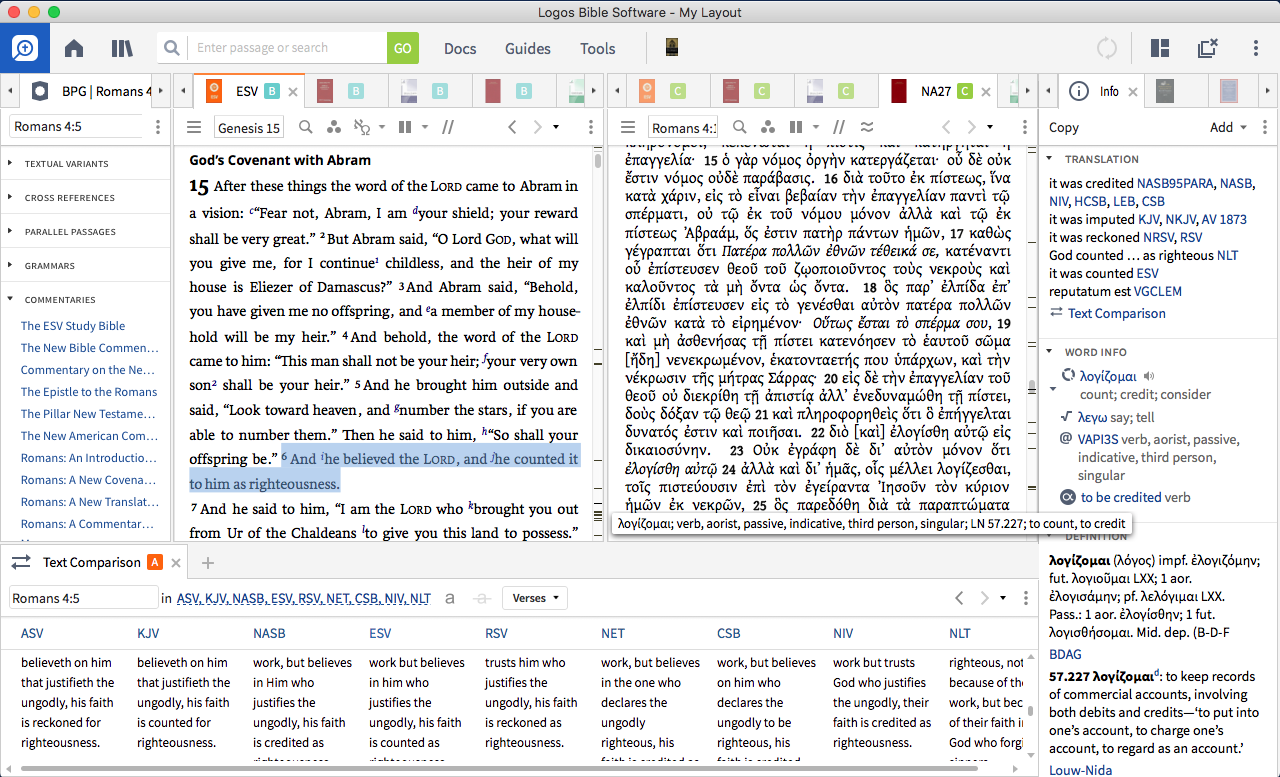
Survey the passage, the original languages, and various translations…
Utilize resource materials and study tools…
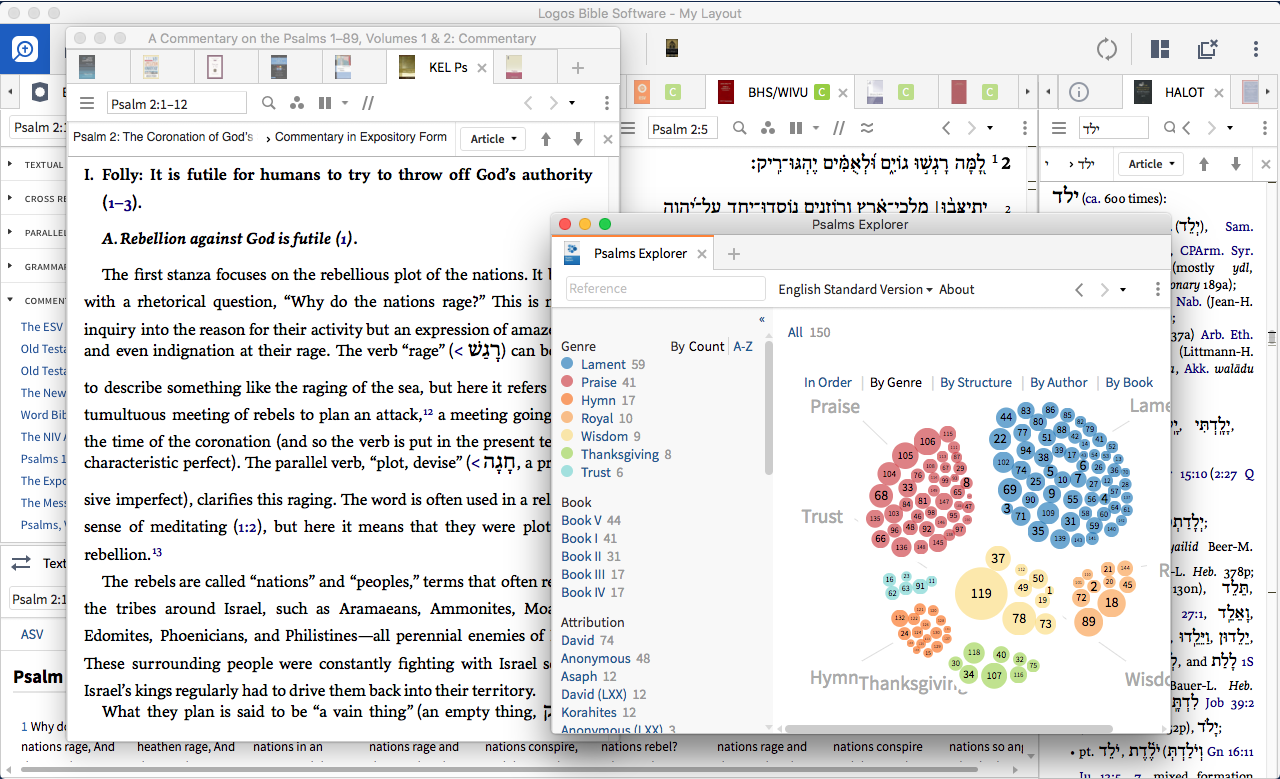
Build your library. Then deepen your understanding through theological reflection.



“That religion which God requires, and will accept, does not consist in weak, dull, and lifeless wishes, raising us but a little above a state of indifference. … In nothing is vigour in the actings of our inclinations so requisite, as in religion; and in nothing is lukewarmness so odious.” (I.II.1)
“If the great things of religion are rightly understood, they will affect the heart. The reason why men are not affected by such infinitely great, important, glorious, and wonderful things, as they often hear and read of in the word of God, is, undoubtedly, because they are blind; if they were not so, it would be impossible, and utterly inconsistent with human nature, that their hearts should be otherwise than strongly impressed, and greatly moved by such things.” (I.III.1)
“God has given to mankind affections, for the same purpose as that for which he has given all the faculties and principles of the human soul, viz. that they might be subservient to man’s chief end, and the great business for which God has created him, that is, the business of religion. … Where are the exercises of our affections proper, if not here? what is it that more requires them? and what can be a fit occasion of their lively and vigorous exercise, if not such as this? Can any thing be set in our view, greater and more important? any thing more wonderful and surprising? or that more nearly concerns our interest? Can we suppose that the wise Creator implanted such principles in our nature as the affections, to lie still on such an occasion as this?” (I.III.3)
“The devil does not assault the hope of the hypocrite, as he does the hope of a true saint. The devil is a great enemy to a true Christian’s hope, not only because it tends greatly to his comfort, but also because it is of a holy, heavenly nature, greatly tending to promote and cherish grace in the heart, and a great incentive to strictness and diligence in the Christian life. But he is no enemy to the hope of a hypocrite, which above all things establishes his interest in him. A hypocrite may retain his hope without opposition, as long as he lives, the devil never attempting to disturb it. But there is perhaps no true Christian but what has his hope assaulted by him.” (II.XI)
“Men not only cannot exercise faith without some spiritual light, but they can exercise faith only just in such proportion as they have spiritual light. Men will trust in God no further than they know him: and they cannot be in the exercise of faith in him, further than they have a sight of his fulness and faithfulness in exercise.” (II.XI)
“It is not God’s design that men should obtain assurance in any other way, than by mortifying corruption, increasing in grace, and obtaining the lively exercises of it.” (III.2)
“The only certain foundation which any person has to believe that he is invited to partake of the blessings of the gospel, is, that the word of God declares that persons so qualified as he is, are invited, and God who declares it, is true and cannot lie. If a sinner be once convinced of the veracity of God, and that the Scriptures are his word, he will need no more to convince and satisfy him that he is invited; for the Scriptures are full of invitations to sinners, to the chief of sinners, to come and partake of the benefits of the gospel. He will not want of God any thing new; what he hath spoken already will be enough with him.” (III.I)
Jonathan Edwards on “the nature and design of the ordinances and duties, which God hath appointed, as means and expressions of true religion.
To instance in the duty of prayer: it is manifest, we are not appointed, in this duty, to declare God’s perfections, his majesty, holiness, goodness, and all-sufficiency; our own meanness, emptiness, dependence, and unworthiness, our wants and desires, in order to inform God of these things, or to incline his heart, and prevail with him to be willing to show us mercy; but rather suitably to affect our own hearts with the things we express, and so to prepare us to receive the blessings we ask. And such gestures and manner of external behaviour in the worship of God, which custom has made to be significations of humility and reverence, can be of no further use, than as they have some tendency to affect our own hearts, or the hearts of others.
And the duty of singing praises to God, seems to be appointed wholly to excite and express religious affections. No other reason can be assigned, why we should express ourselves to God in verse, rather than in prose, and do it with music, but only, that such is our nature and frame, that these things have a tendency to move our affections.
The same thing appears in the nature and design of the sacraments, which God hath appointed. God, considering our frame, hath not only appointed that we should be told of the great things of the gospel and the redemption of Christ, and be instructed in them by his word; but also that they should be, as it were, exhibited to our view in sensible representations, the more to affect us with them.
And the impressing of divine things on the hearts and affections of men, is evidently one great end for which God has ordained, that his word delivered in the Holy Scriptures, should be opened, applied, and set home upon men, in preaching. And therefore it does not answer the aim which God had in this institution, merely for men to have good commentaries and expositions on the Scripture, and other good books of divinity; because, although these may tend, as well as preaching, to give a good doctrinal or speculative understanding of the word of God, yet they have not an equal tendency to impress them on men’s hearts and affections. God hath appointed a particular and lively application of his word, in the preaching of it, as a fit means to affect sinners with the importance of religion, their own misery, the necessity of a remedy, and the glory and sufficiency of a remedy provided; to stir up the pure minds of the saints, quicken their affections by often bringing the great things of religion to their remembrance, and setting them in their proper colours…. God has appointed preaching as a means to promote in the saints joy.” (Religious Affections, I.II.9)
And if this be the case then…
“If true religion lies much in the affections, we may infer, that such means are to be desired, as have much tendency to move the affections. Such books, and such a way of preaching the word and the administration of ordinances, and such a way of worshipping God in prayer and praises, as has a tendency deeply to affect the hearts of those who attend these means, is much to be desired. … Indeed there may be such means, as have a great tendency to stir up the passions of weak and ignorant persons, and yet have none to benefit their souls: for though they may have a tendency to excite affections, they have little or none to excite gracious affections. But, undoubtedly, if the things of religion in the means used, are treated according to their nature, and exhibited truly, so as tends to convey just apprehensions and a right judgment of them; the more they have a tendency to move the affections, the better.” (I.III.2)

 Kirk E. Miller