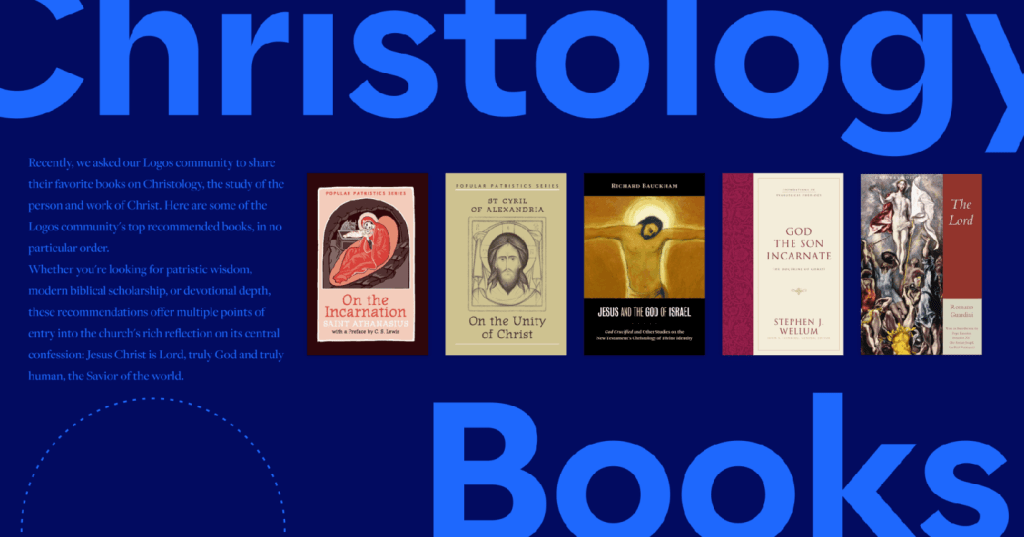
I pooled together some of the top books on Christology as recommended by the Logos community.
I pooled together some of the top books on Christology as recommended by the Logos community.

I pooled together some of the top books on preaching as recommended by the Logos community. I also provided some of my own honorable mentions.
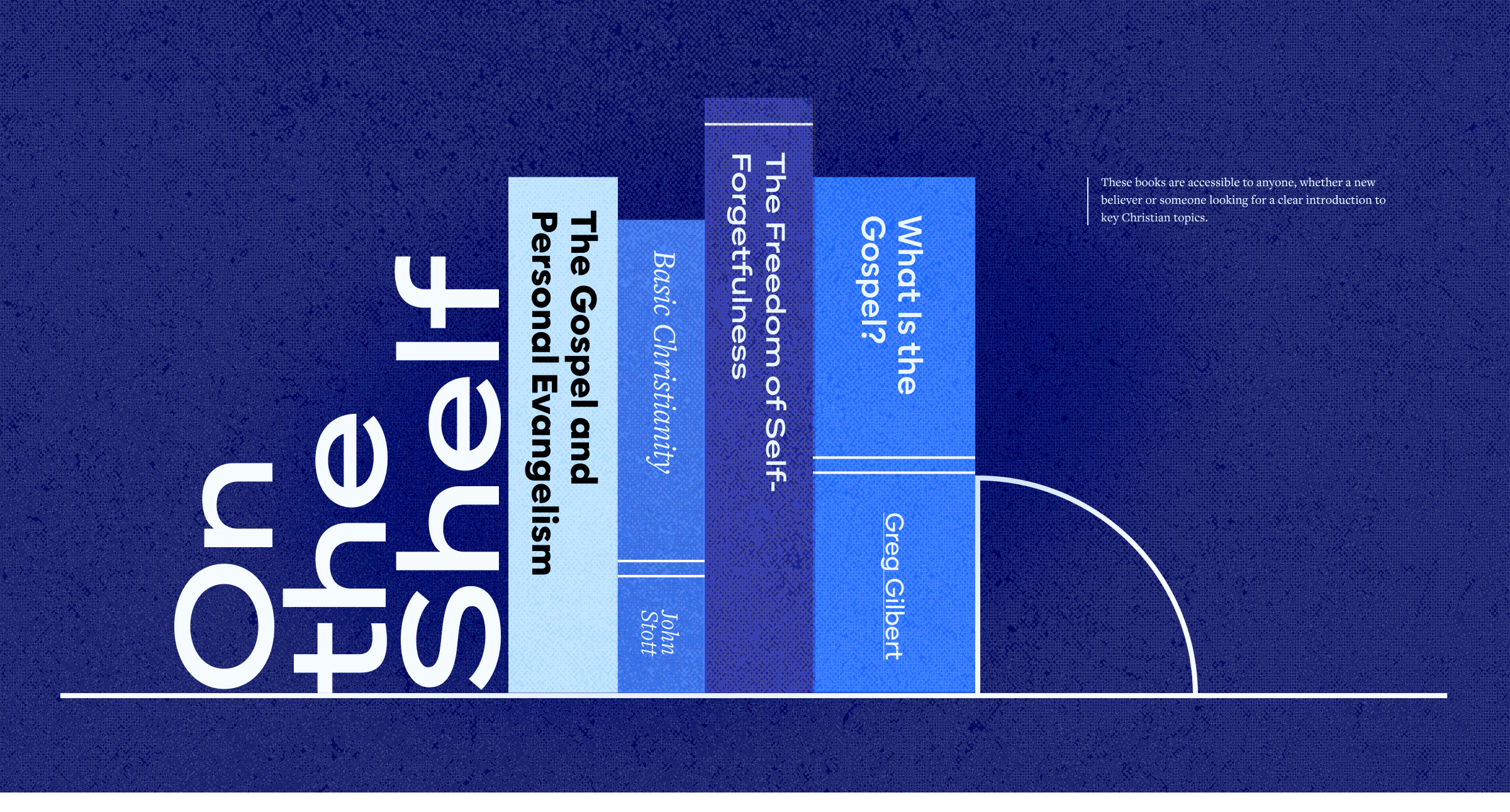
I recently provided Logos a comprehensive list of my recommended books, from introductory texts to more advanced works and even children’s resources.
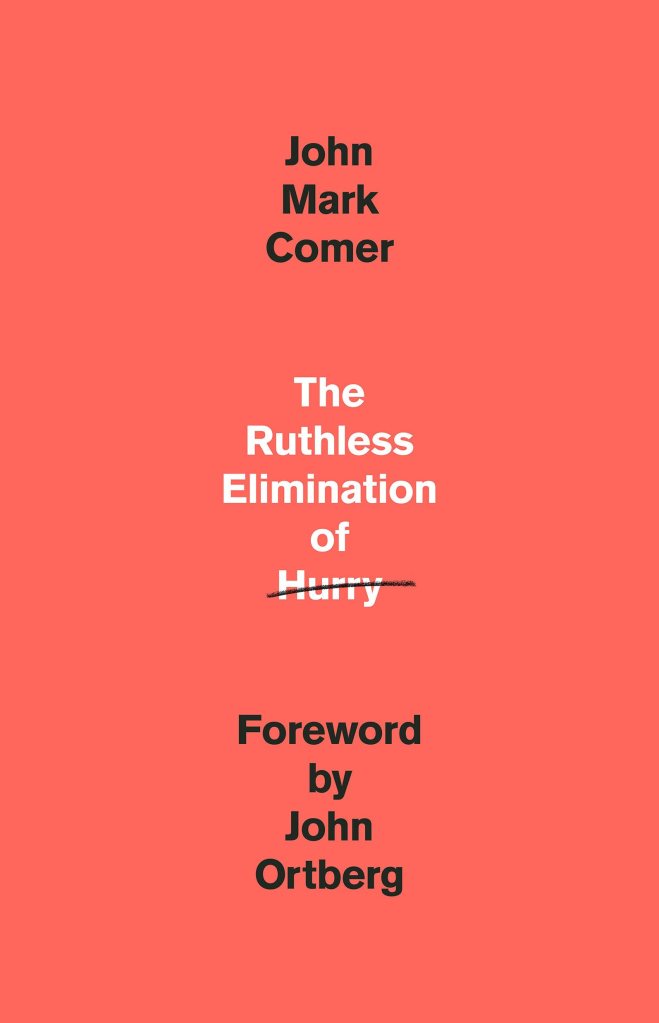
As with the other things I’ve read and listened to from John Mark Comer, his The Ruthless Elimination of Hurry displays an astute cultural analysis. It seems to me that Comer is at his best when spotting, analyzing, and critiquing cultural trends and phenomena.
However, as I read this book, I found myself wishing for more explicit application of theology to the subject at hand—specifically, more discussion of the gospel and sin. Without these elements, much of the book feels like secular self-help cloaked in Christian language—even if it’s nonetheless really good advice that (I agree) overlaps at times with Biblical wisdom.
“The way of Jesus,” “Jesus’ easy yoke,” and “the gospel of the kingdom” do a lot of heavy lifting for Comer, despite Comer’s lack of sufficiently unpacking what they actually mean in scripture. He seems to take them to mean something like adopting a lifestyle that imitates Jesus. And, if only we do that, our lives will be easier. (One senses a tinge of prosperity gospel here.)
Now, I agree that the scriptural meanings of “yoke,” “the way of Jesus,” and the “good news of the kingdom” will entail following Jesus and embracing his good instructions for life to the full (human flourishing). However, at their core, these terms (“yoke,” “way,” “gospel of the kingdom”) are not primarily calls for us to do something but calls to receive what Jesus has done. Receiving Jesus’ easy yoke is first and foremost an invitation to rest in his finished work.
In fact, skipping this step results in a shallow, sub-Christian approach that will only prove harmful. A call to imitate Jesus apart from the gospel is just more law (“hurry”), which will‚ ironically enough, only lead to further exhaustion as we’ll find ourselves unable to meet its demands—even when those demands are to rest.
Comer presumably draws his language about “following the way of Jesus” from the book of Acts (e.g., Acts 9:2; 19:9, 23; 22:4; 24:14, 22). But these early Christians in Acts were labeled followers of “the way” not because Christianity is centrally about retrieving an ancient lifestyle of wisdom and spiritual transformation (what Comer means by “the way”), but because Jesus himself—in his death and resurrection—is “the way, the truth, and the life” (John 14:6). In other words, the “way” is not a set of practices, but a person. It signifies not first and foremost that we are to imitate Jesus (although that’s included), but that Jesus saved us, i.e., that he is the way of salvation. And it’s vitally important that we get those two things in their proper order.
I’ve been able to observe firsthand the sort of effects this book has had within some circles of Christians. The book has proved popular because people want a lifestyle that promises a lack of chaos and hurriedness. But in that way, it just becomes more law without gospel, just one more thing to do—and judge others for not doing when they don’t seem to be “resting” or “sabbathing” as adopters of the book’s message now think others should. Which ironically is actually the sort of “burdens” of which Jesus offers to relieve us in Matthew 11:28-30.
I will say, it’s oddly conspicuous that Comer doesn’t mention much of anything, as far as I can recollect, about salvation and sin. It seems that Christianity for him is largely the good news of a lifestyle to be learned, which is nothing other than another form of a “therapeutic gospel.” I doubt Comer would actually say this, but his emphasis, and the things he chooses to say and not say, certainly can leave that impression.
All that said, I still appreciated much of the book. Much of Comer’s practical advice resonates with me personally and reflects things I try to practice. Rest, frugality, and simplicity, are virtues that certainly deserve our attention—especially in our current cultural moment.
Is Christianity relevant to our contemporary lives? Why should someone even consider its claims? And if considering its claims, what of the many objections to Christianity? Is it true? In this pair of books, Making Sense of God and Reason for God, the late pastor Timothy Keller seeks to show how Christianity both answers our deeper longings and holds up to the deepest of scrutiny.
 Kirk E. Miller